
Galway City Attractions
Things to see and do in Galway City.
Galway City is the capital of the west of Ireland and it’s idyllic location on the edge of the Atlantic combined with the surrounding countryside provides a memorable setting for any holiday. With every possible variety of scenery and a multitude of things to see and do Galway is an essential part of any visit to the Ireland.
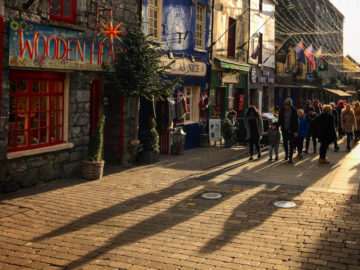
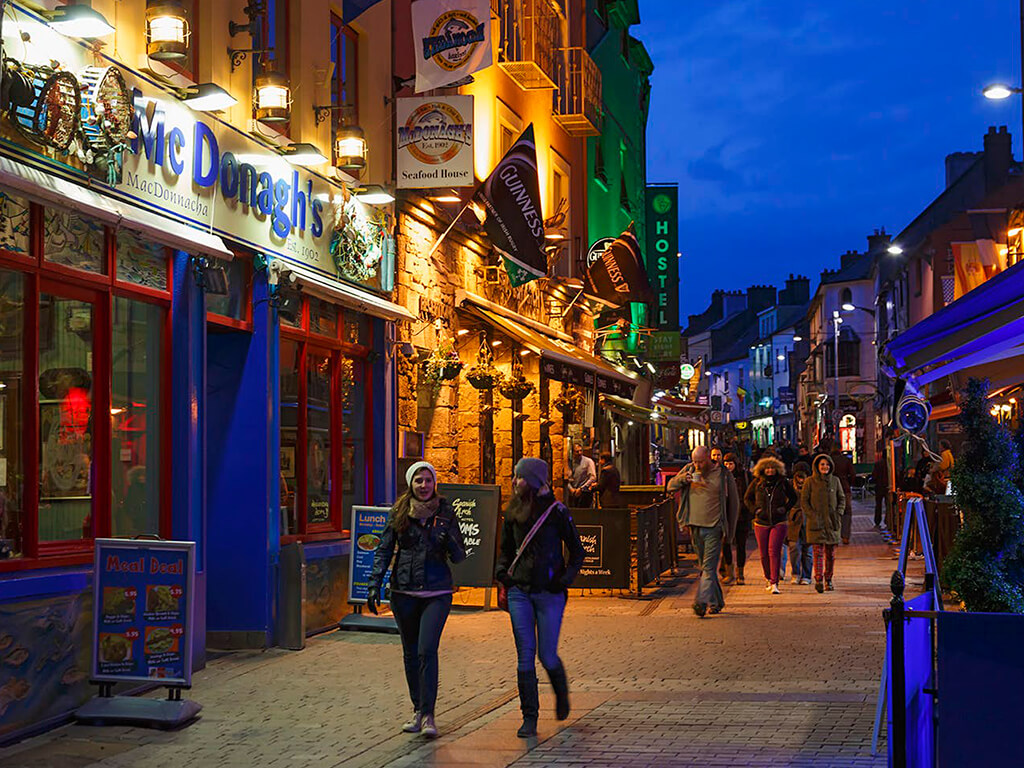
Known as The City of Tribes Galway is a beautiful city located on the western seaboard of Ireland. So beautiful is it, that it was once described as the “Venice of the West” by well-known Irish poet, William Butler Yeats. Galway is a vibrant colourful city, recognised worldwide for its friendly people and welcoming atmosphere. In recent decades Galway has emerged as the hub of Artistic, Modern and cosmopolitan energy in Ireland. Galway is second only to Dublin in yearly visitors. With it’s charming streets, shopping and nightlife mixed with culture, traditional Irish music and activities for all the family, look no further for the perfect escape.
Sightseeing in Galway City
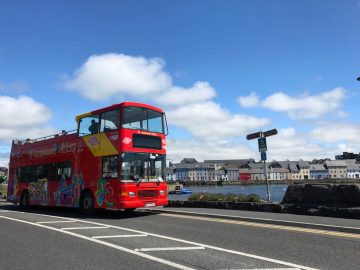
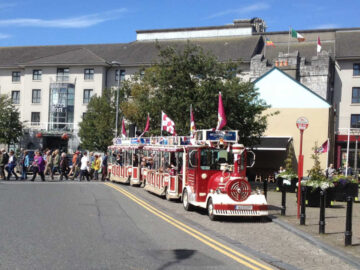
Book a sightseeing tour of Galway City here. Explore Galway with friendly, knowledgeable guides to learn about this colourful city and see it from the best perspective, with an open top bus! On this Hop-on Hop-off tour, you’ll discover everything from medieval walls in the city centre to the sandy beaches of Salthill. Tour tickets are valid for 24 hours, during which time you can hop-on and off as often as you like. With regular departures from Eyre Square and Salthill you can explore our favorite city at your own pace. Galway is a compact city so it ideal to explore on foot if you prefer to take a walking tour of Galway City.
If you are travelling on a shoestring check out our list of the Top Free Things To Do in Galway.
Galway City Attractions FAQs
What are the top attractions to visit in Galway City?
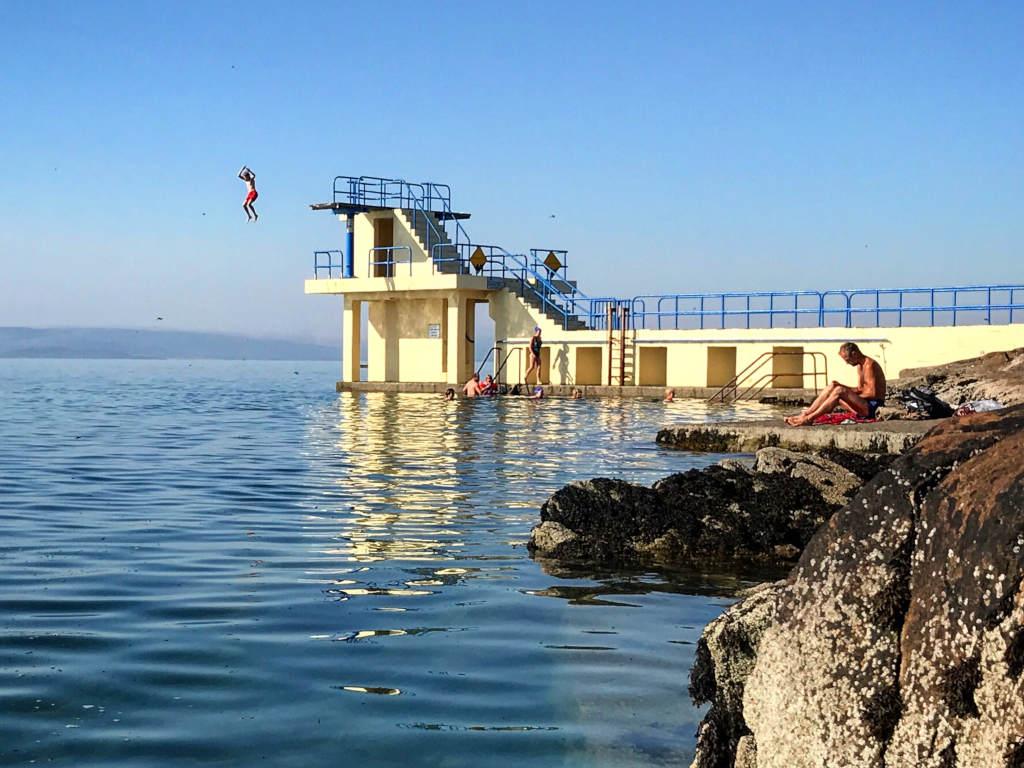
- Salthill Promenade
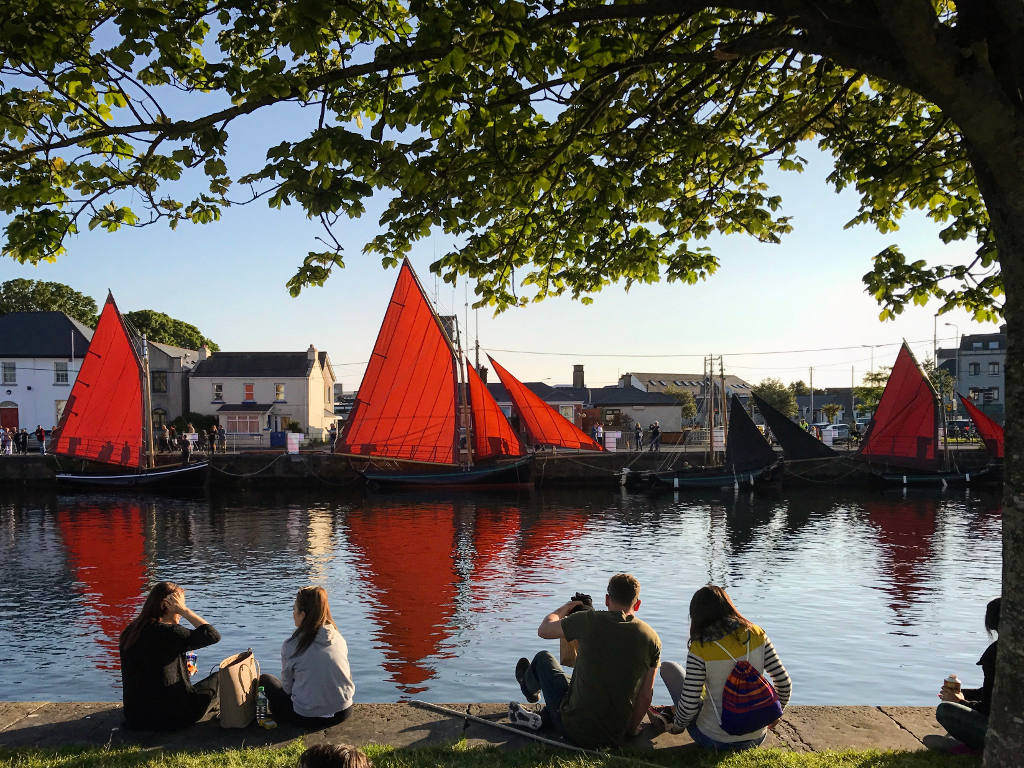
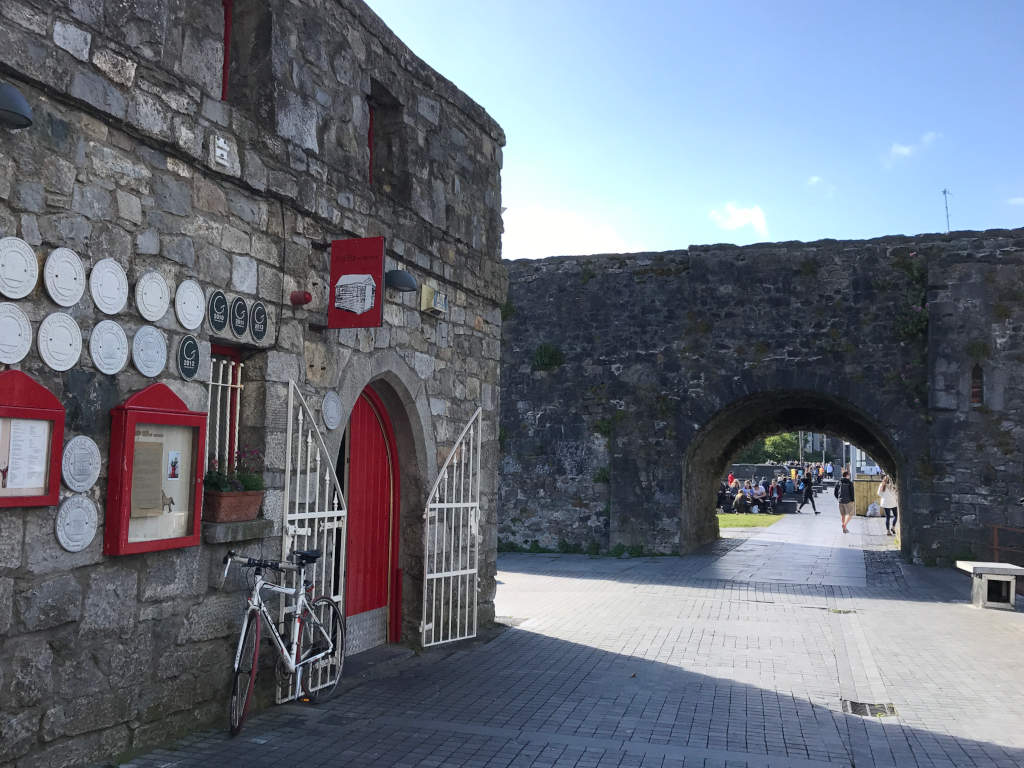
- Galway’s Latin Quarter (The Spanish Arch, Quay Street, Kirwans Lane)
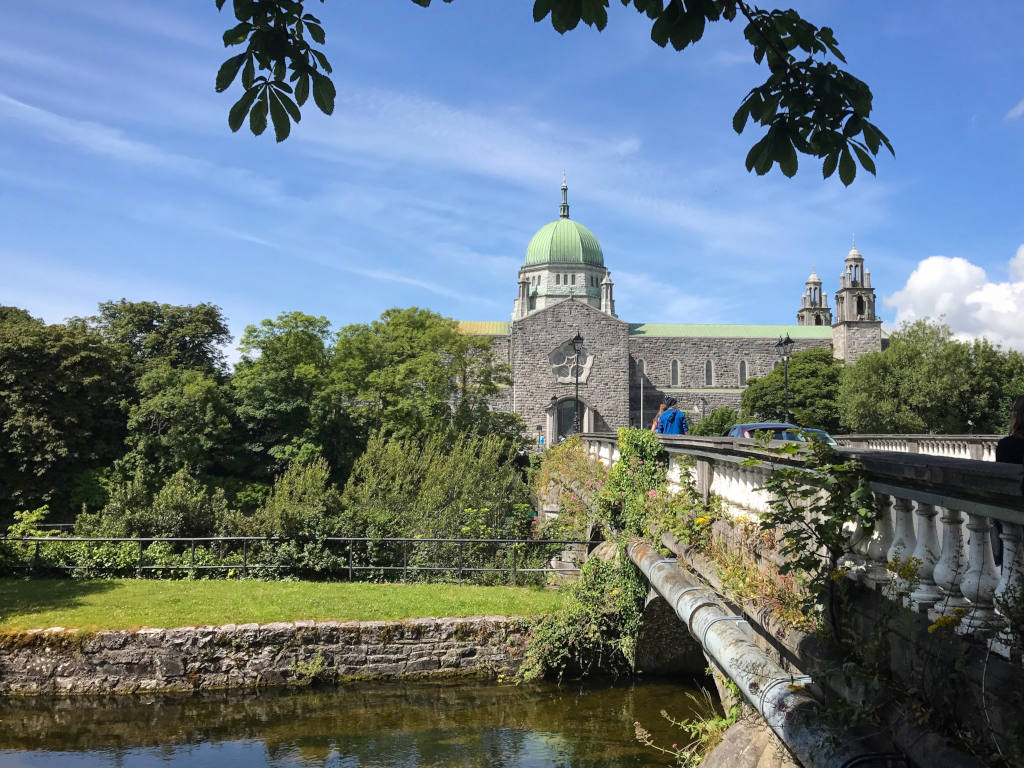
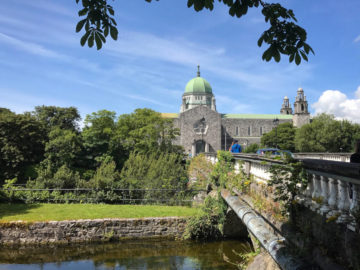
- Galway Cathedral
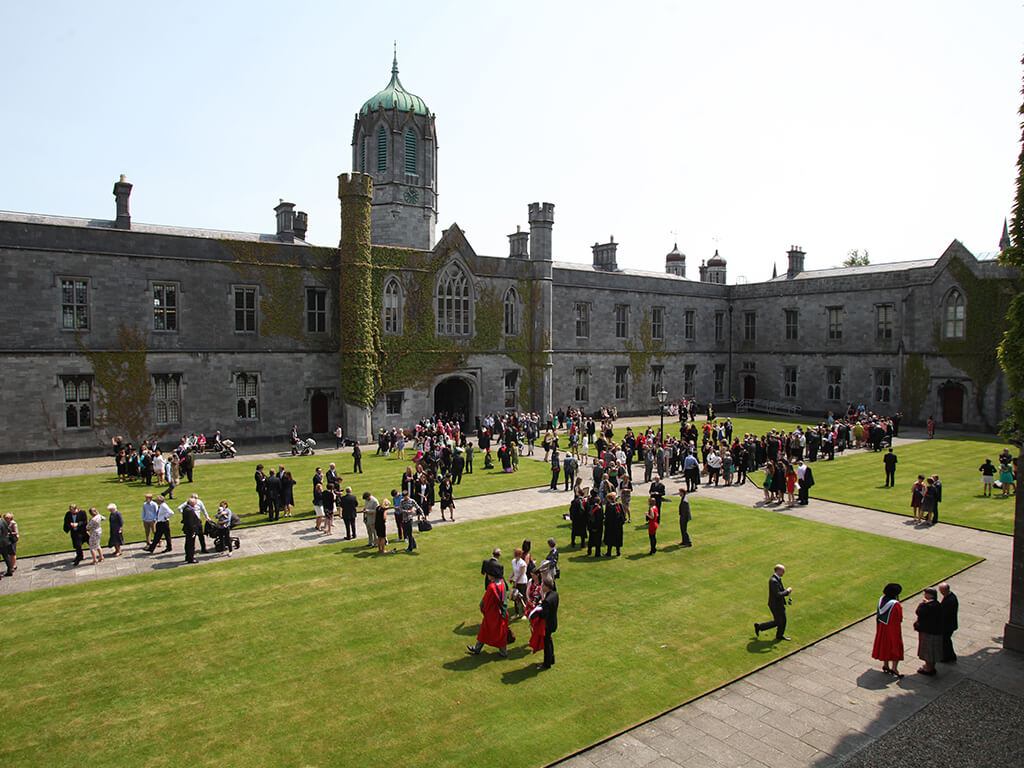
- National University of Ireland
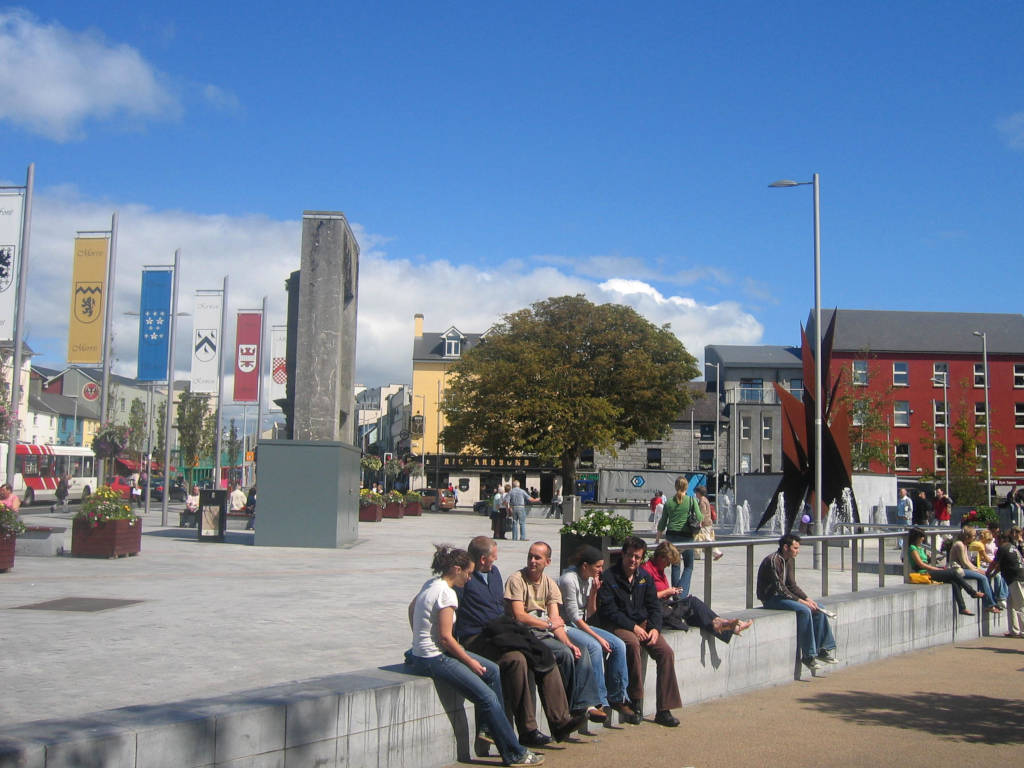
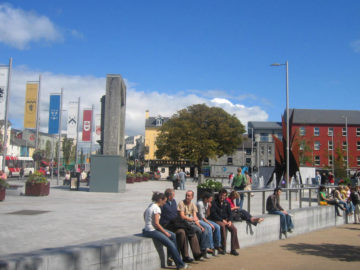
- Eyre Square
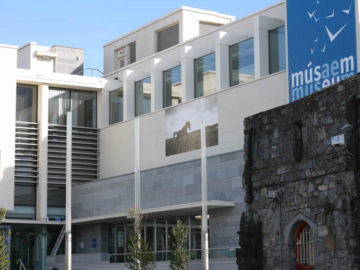
- Galway City Museum
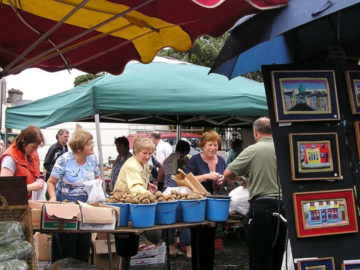
- Galway Market
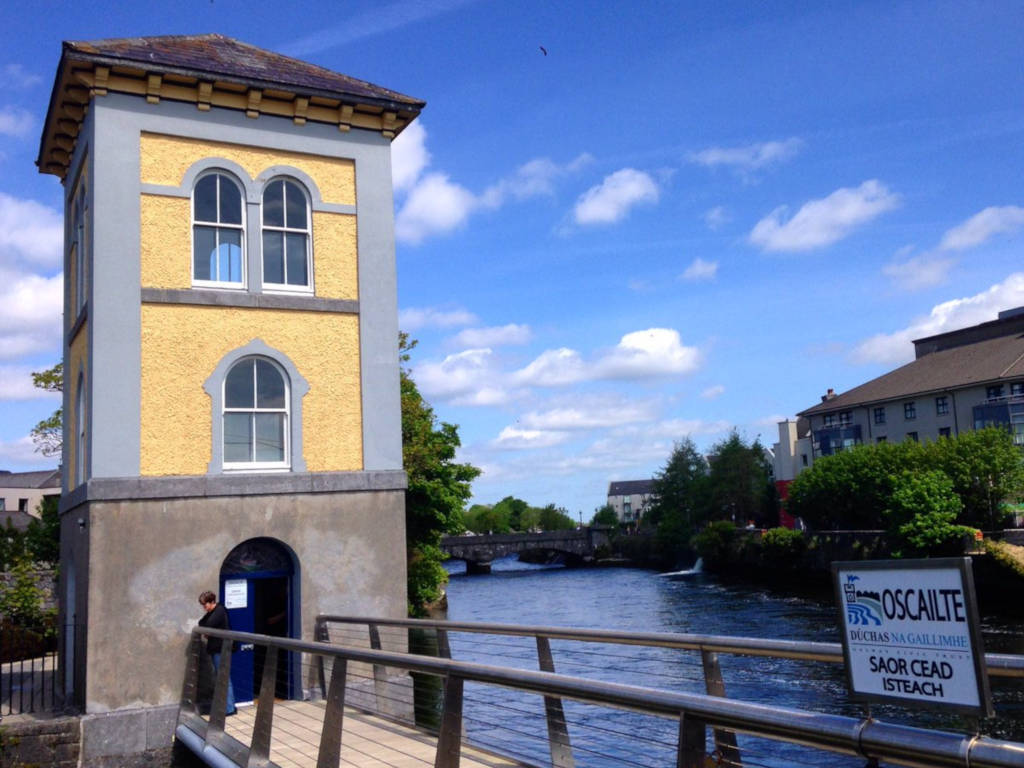
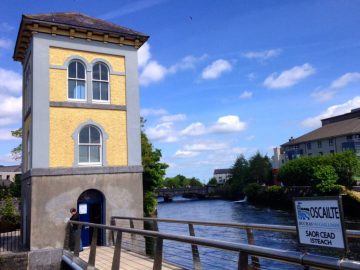
- River Corrib walk
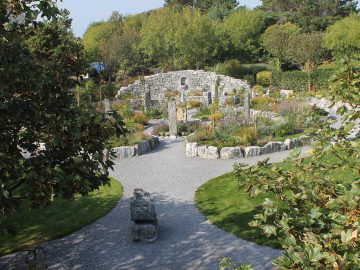
- Circle of Life National Organ Donor Commemorative Garden
What are the most popular things to do in Galway City with kids?
- Wildlands
- Salthill Beaches
- Atlantiquaria National Aquarium
- Barna Woods
- Leisureland
- Rinville Forest Park and playground
- Galway City Karting
- Pure Skill Activity Centre
- Monkey Business
- Loughwell Farm Park
Is Galway a good place to visit for young people?


Best Rate Hotels