Kylemore
A romantic valley of lakes and legends
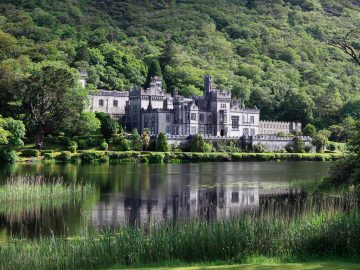
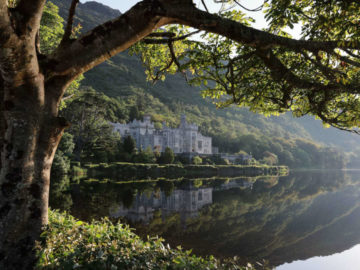
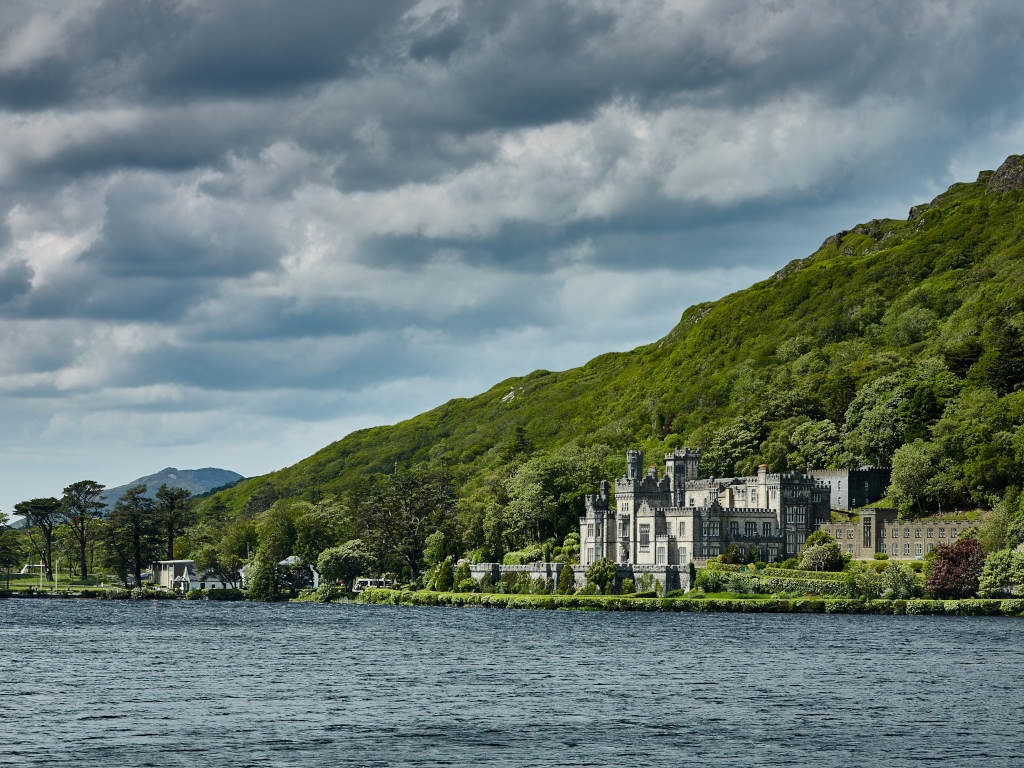
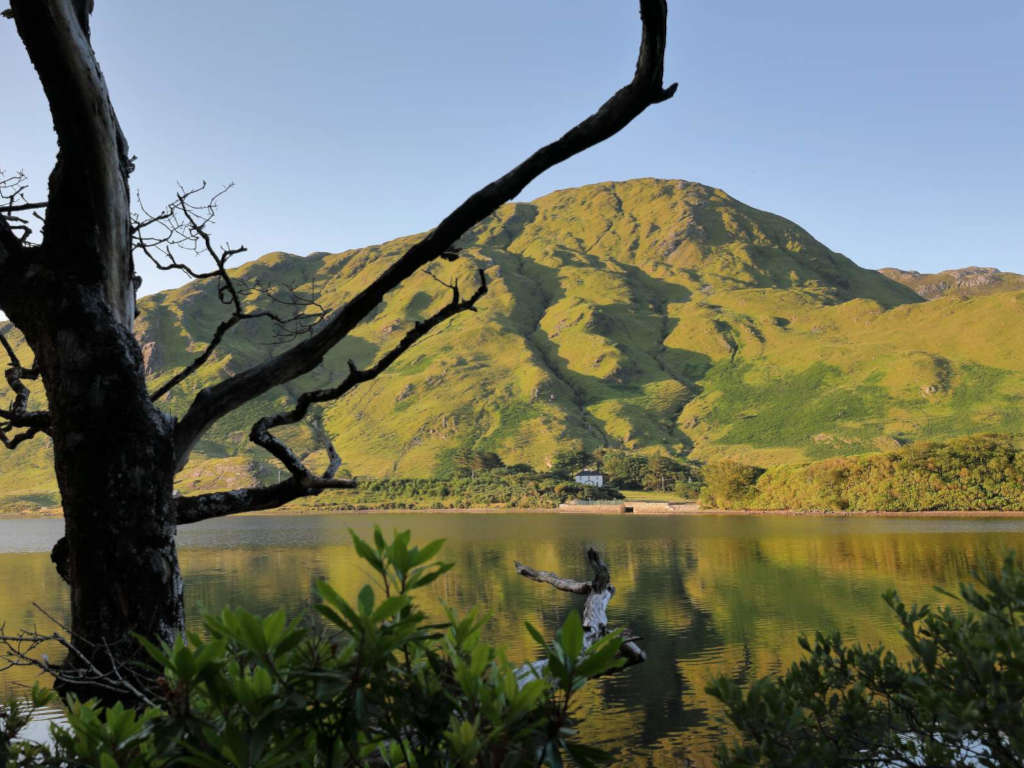
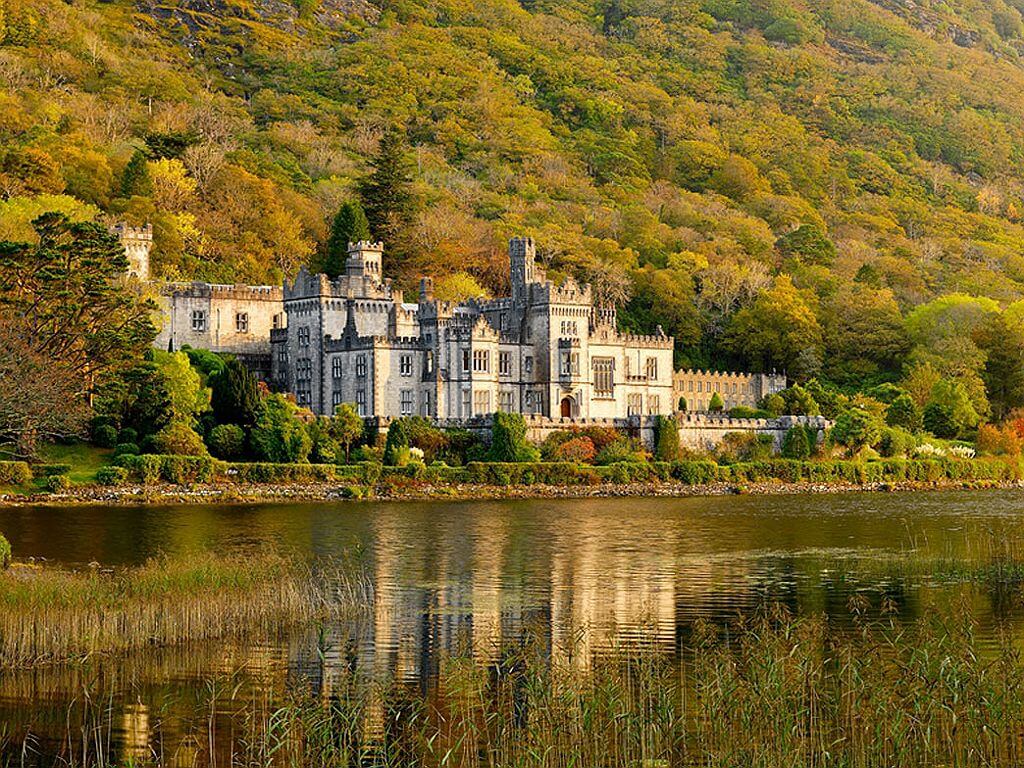
The breathtaking region of Kylemore (derived from the Irish Coill Mhór, meaning “Great Wood”) is one of the most iconic landscapes in North Connemara. Situated at the base of Duchruach Mountain and overlooking the glass-like waters of Pollacappul Lough, Kylemore is synonymous with its neo-Gothic Abbey, which appears like a fairytale castle emerging from the dense green woodlands and rugged mountainside.
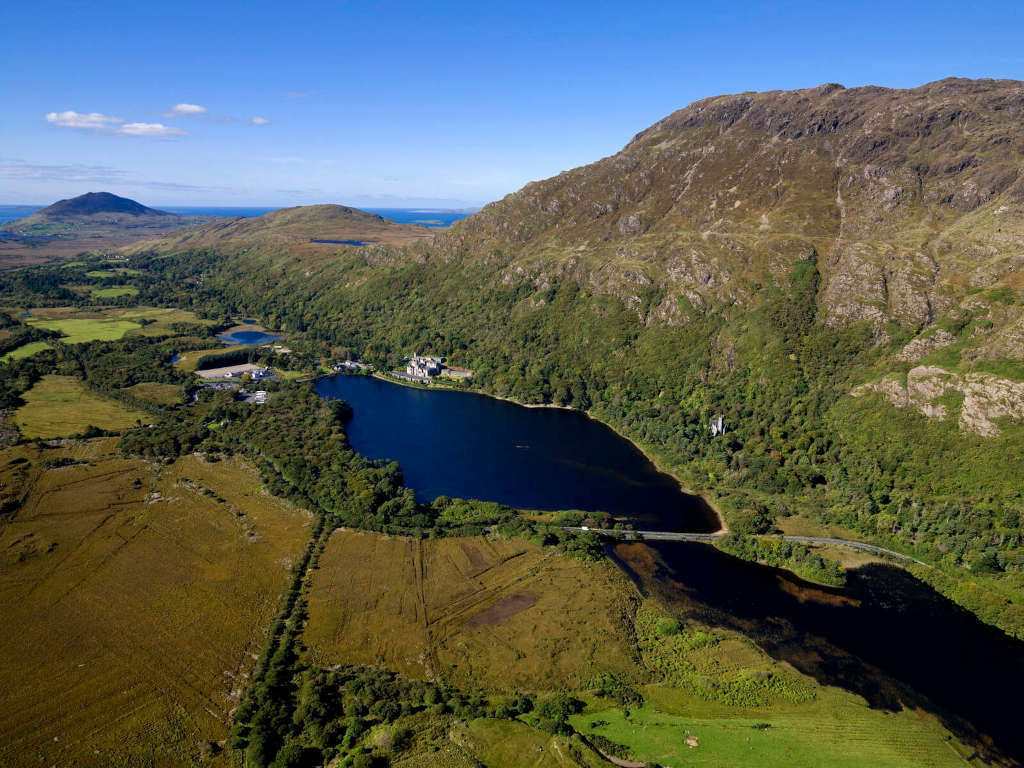
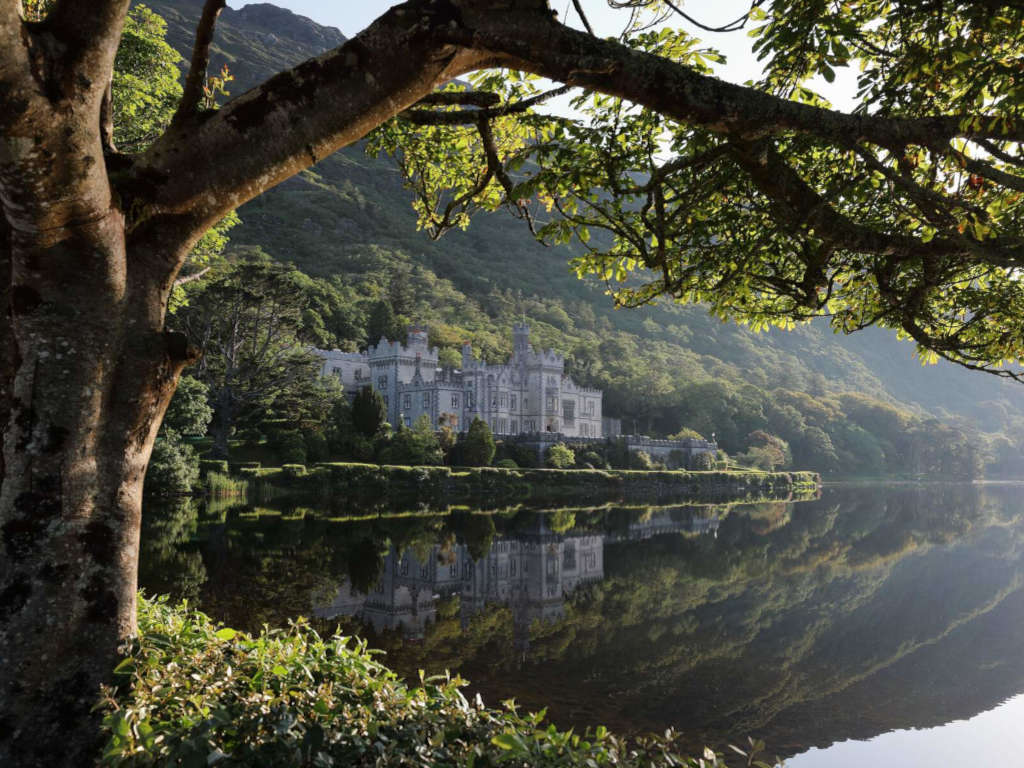
Kylemore Abbey is the jewel of Connemara, serving as a sanctuary of peace and history. Originally built in the 1860s by Mitchell Henry as a romantic gift for his wife Margaret, the Kylemore estate later became a Benedictine Monastery in 1920. Today, it offers a unique blend of spirituality, heritage, and natural beauty. Visitors can wander through the Abbey’s restored period rooms or take a short, scenic walk along the lake to the Gothic Church, a “miniature cathedral” that reflects the elegance of 14th-century architecture.
One of the standout features of Kylemore Abbey is the Victorian Walled Garden. Located about a mile from the Abbey, this six-acre oasis was an engineering marvel of its time, featuring 21 heated glasshouses to cultivate exotic fruits in the middle of a bog. It remains the only garden in Ireland to be built in such a challenging environment and is strictly a “Heritage Garden,” growing only plant varieties that existed during the Victorian era. You can reach the garden via a charming woodland walk or a frequent shuttle bus provided on-site.
Beyond the estate walls, the Kylemore region is a paradise for outdoor enthusiasts. The surrounding Connemara Mountains offer some of the best hiking in the country.
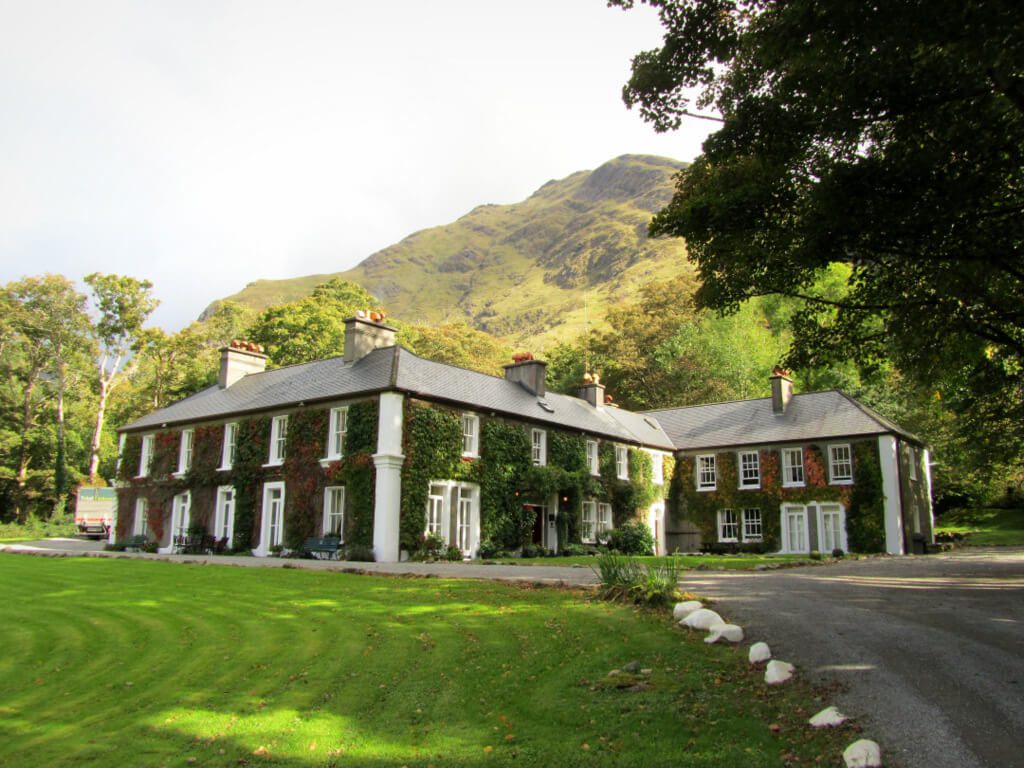
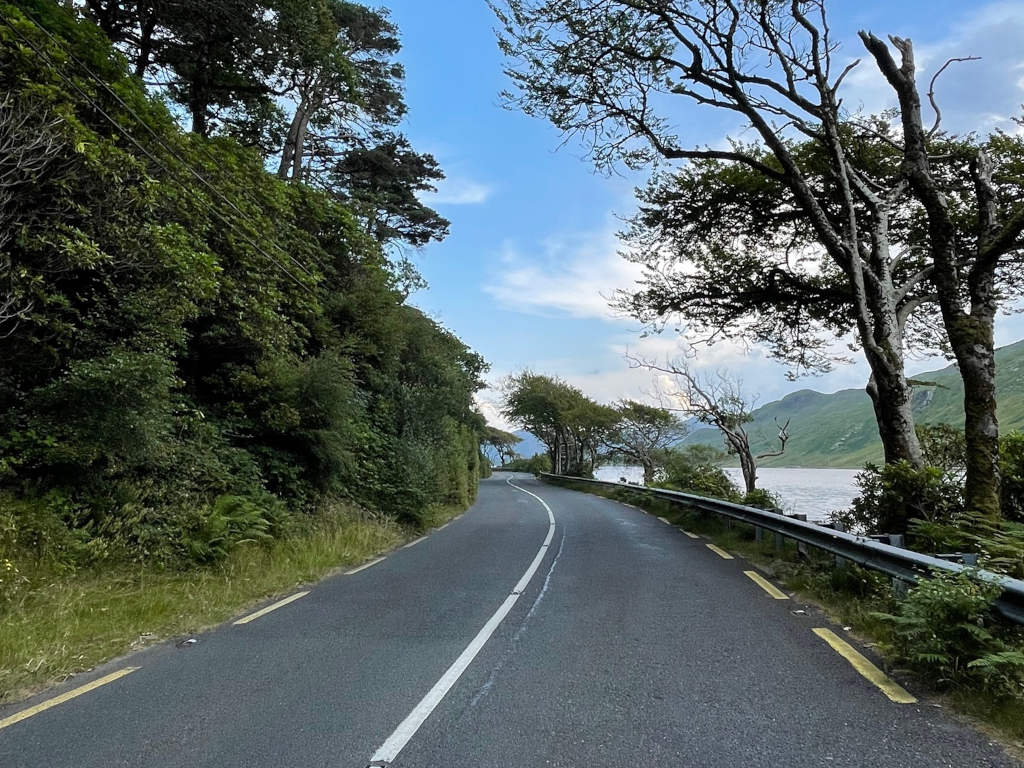
Delphi Lodge at Kylemore Lough is world-renowned among anglers for its salmon and sea trout, while the nearby Inagh Valley drive provides a dramatic route through one of the most remote and beautiful parts of the West of Ireland.
How to get here 🚌
By car, take the N59 west from Galway through Oughterard and Maam Cross, following the signs for Letterfrack and Kylemore. The journey takes approximately 1 hour and 15 minutes. By bus, Citylink and Bus Éireann operate routes from Galway to Clifden or Letterfrack, where local taxis or connecting services can take you the final few kilometres to the Abbey gates.
Where to stay 🛌
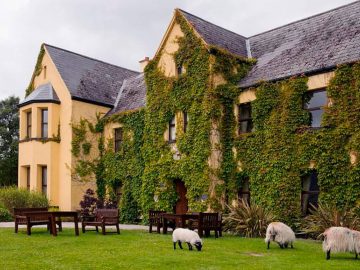
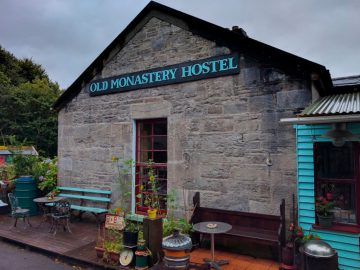
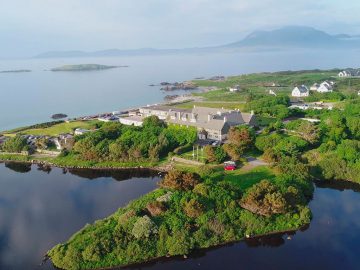
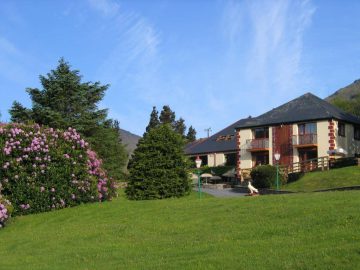
The Kylemore region offers a range of unique stays, from the cosy Kylemore Pass Hotel overlooking the lake to Delphi Lodge which is popular for anglers and traditional B&Bs in nearby Letterfrack.
Explore the area ⛰️
Kylemore is perfectly positioned between some of Connemara’s greatest highlights. Head north to the village of Leenane and the Killary Fjord, or travel five minutes south to Letterfrack, the gateway to Connemara National Park. For a longer excursion, the bustling “Capital of Connemara,” Clifden, is just a 20-minute drive away.
Things to do in Kylemore
- Explore the Victorian Walled Garden to see heritage vegetables and formal flower displays maintained exactly as they were in the 19th century.
- Make a wish at the Giant’s Ironing Stone, a legendary glacial erratic located along the woodland path.
- Visit the Gothic Church and Mausoleum to learn the tragic and romantic history of the Henry family who first built the estate.
- Hike the Diamond Hill in the adjacent Connemara National Park for the most famous aerial view of Kylemore Abbey and its lakes.
- Stop by the Craft Shop and Pottery Studio to see the Benedictine nuns’ handmade products and traditional Irish designs.
Kylemore History
Kylemore and its lakes are steeped in history. The Castle-like Abbey was built in 1860’s by Manchester tycoon Mitchell Henry as a present for his beloved wife. They both fell in love with the area on their honeymoon. The vast sums spent by Henry in building his castle and development of the estate brought employment to the area. Henry’s wife died in 1874 and he built the Gothic Chapel in her memory. Henry had his wife embalmed and her body is buried in the mausoleum next to the Church.
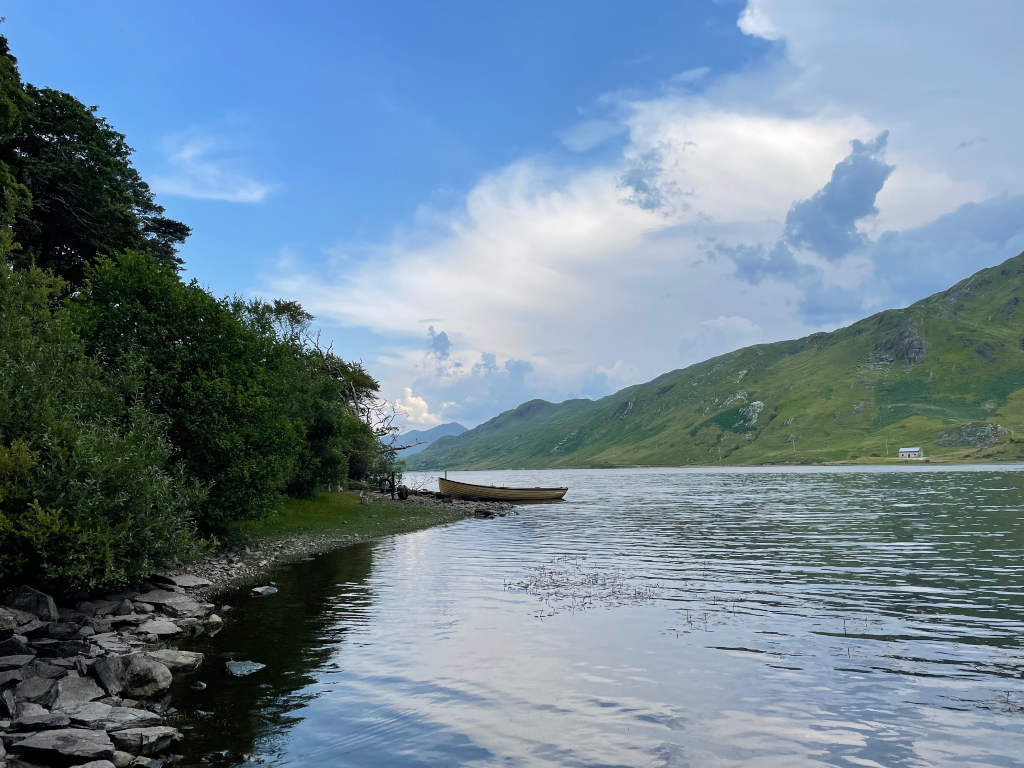
The Neo-Gothic Church and the Victorian Walled Garden at Kylemore Abbey have been restored to its former glory in recent years by the Benedictine Nuns. You will notice as you pass the lakes, the hills on the far side are indented with ridges. These would have been planted with potatoes before the famine (1840’s) when locals sought out an existence to feed their families on steep, rocky hillsides. Lake fishing and beautiful walks are synonymous with this area.
Kylemore Map
Best Rate Hotels