Tuam
Tuam – the town of two cathedrals
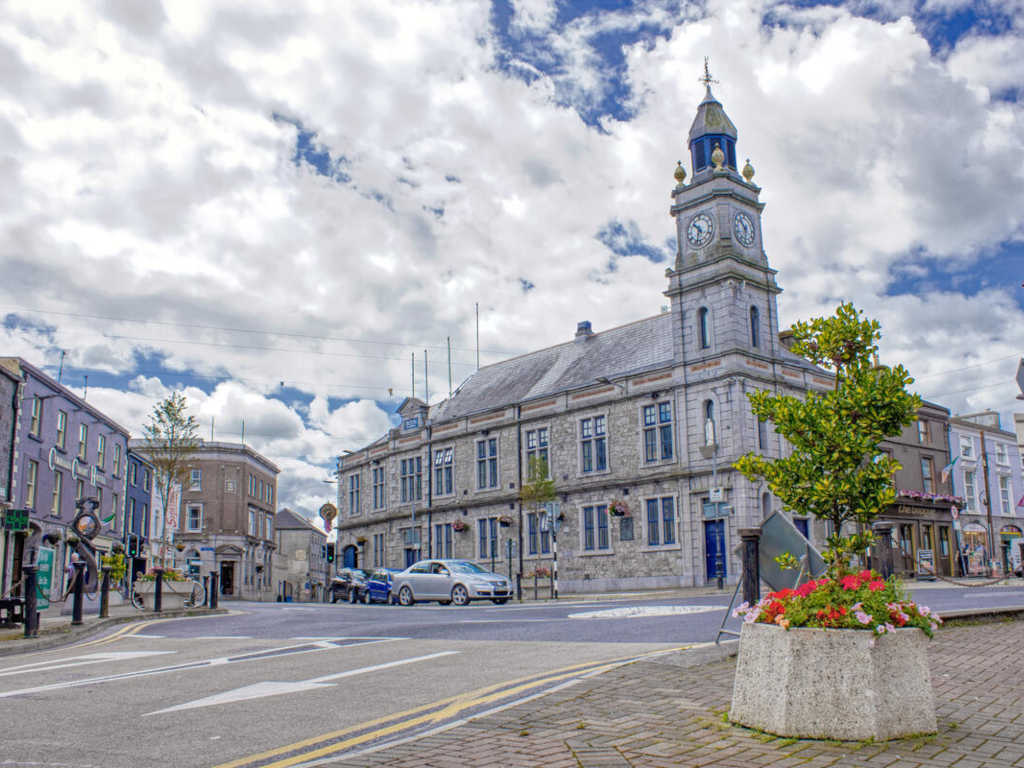
One of the most historic towns in the west of Ireland, Tuam is situated on the N17 just 32km north of Galway. The town was founded by St. Jarlath and his legacy is very much alive today. St. Jarlath’s College is one of the most famous secondary schools in the country, where sporting and academic accolades are regularly achieved.
Things to do
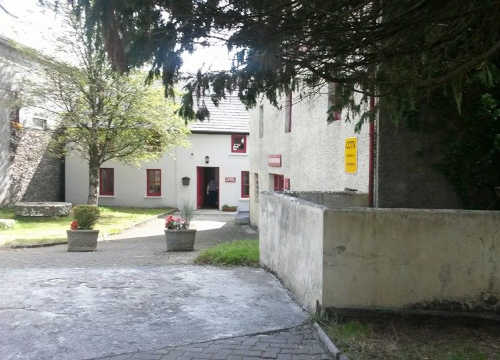
Tuam boasts a wide selection of visitor attractions and historical sites of note including, a High Cross, the Palace Grounds, Castlehackett (reputed to be the burial spot of Queen Maeve) and the Mill Museum. The Mill Museum complex consists of a restored corn mill with operating water wheel, an audiovisual museum and Tourist Information Office. Attraction within driving distance of Tuam include Croagh Patrick, Knock, Connemara, the Shannon and the Burren.
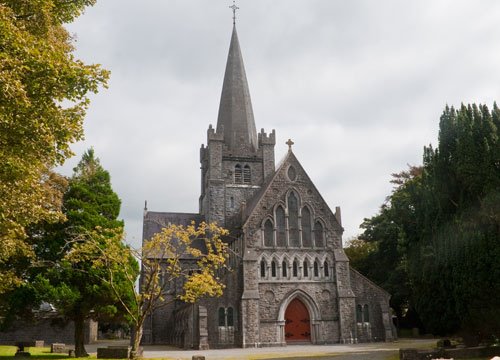
St. Mary’s Cathedral
The Mill Museum
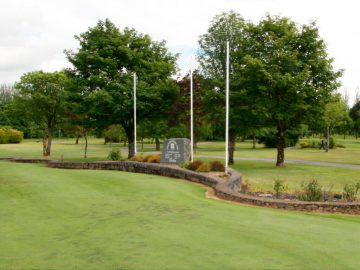
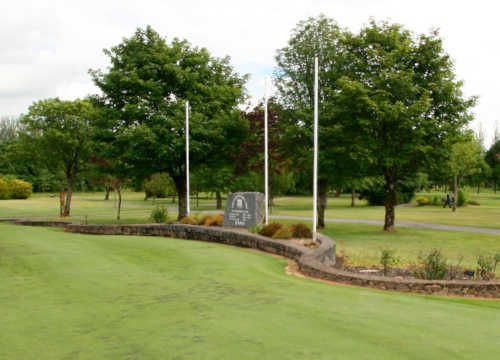
Tuam Golf Club
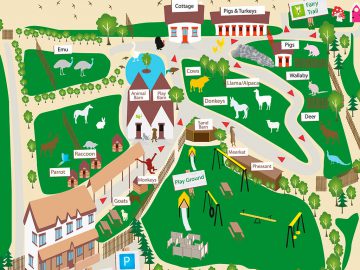
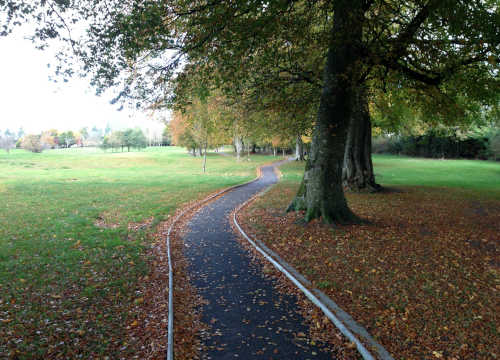
Palace Grounds & Children’s Park
Where to stay
Tuam has a wide range of comfortable accommodation options from hotels, guesthouses, and B&B’s.
How to get to Tuam
By bus on Bus Eireann Route 417, Galway – Tuam. Tuam is a commuter town of Galway City, so has regular bus services every day. Alternatively travel by car from Galway taking the N84 road north from Galway.
FAQs for visiting Tuam, Co. Galway
What is the best way to travel from Galway City to Tuam?
Tuam is highly accessible from Galway City (32km north). The most popular public transport option is Burkesbus, which runs a direct service every 30–60 minutes from Eyre Square. Alternatively, Bus Éireann (Route 429 or Expressway 64) and Citylink offer frequent daily services. If driving, the journey takes approximately 30 minutes via the M17 motorway or the N83.
Why is Tuam called the “Town of the Two Cathedrals”?
Tuam is unique for hosting two stunning cathedrals: St. Mary’s Cathedral (Church of Ireland), which features a world-renowned 12th-century Hiberno-Romanesque chancel arch, and the Cathedral of the Assumption (Roman Catholic), a grand Gothic Revival structure completed in 1837. Both are within walking distance of the town square and are essential stops for history and architecture enthusiasts.
What are the top attractions for a day trip to Tuam?
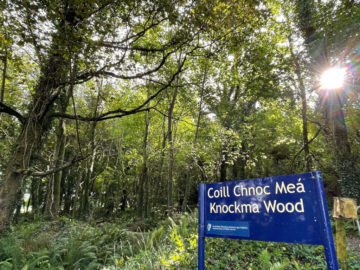
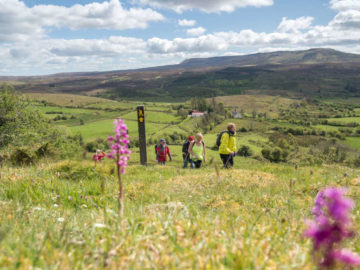
Key highlights include the Mill Museum, the only preserved water-powered corn mill in the region, and the High Cross of Tuam located in St. Mary’s. For nature lovers, the Palace Grounds offers a beautiful park and river walk. Just 8km outside the town lies Knockma Hill, a famous hiking spot steeped in mythology as the home of the fairy king Finvarra and the reputed burial site of Queen Maeve.
Are there guided walking tours available in Tuam?
Yes, visitors can follow the Tuam Heritage and Nature Trail, which is clearly signposted throughout the town. For a more immersive experience, the Old Tuam Society occasionally organizes historical walks, and audio guides like “Walking Whid” offer a deep dive into the town’s folklore and the history of the local Traveller community.
History of Tuam
Tuam gets its name from the Tumulus – a bronze age burial ground – on which the town is built. It was established in the 5th century when St Jarlath founded a monastery here, stopping when a wheel broke on his chariot. The O’Connor Kings, Turlough and Ruari, lived here In the 11th century. Turlough built a castle and an abbey which later became a cathedral. All that remains is part of the wall of their castle, a stone throne known as the chair of Tuam, and the O’Connor name. Attacked several times in the 16th and 17th centuries, the town has stood up to the ravages of time.

Tuam is best known as a centre of church affairs, ancient and modern and has two cathedrals. The Catholic cathedral ‘Cathedral of the Assumption’ was built in 1836 and The Church of Ireland cathedral, St. Mary’s is regarded as the finest cathedral in Connacht and parts of it date from the 12th century. Today, both cathedrals are the jewels of Tuam and the marvellous chancel arch and windows, not to mention the restored 14th century Synod Hall of St Mary’s contrast well with the soaring splendour of the tower and spires of the other.
Map of Tuam, Co. Galway
Best Rate Hotels